
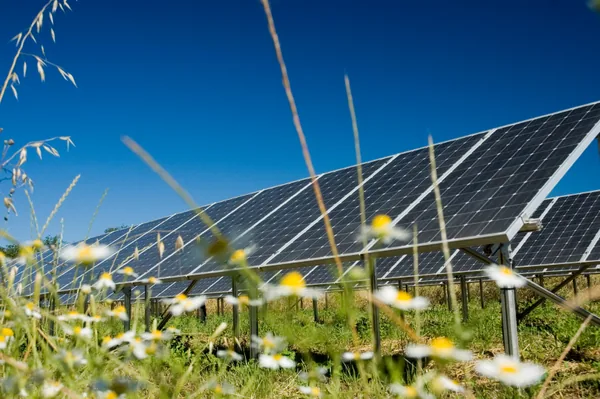
The Solar Gardens Institute maintains a national directory of community solar projects and organizations. As of 2011, community solar farms encompassed both photovoltaic (PV) and concentrating solar power (CSP) technologies, enabling neighborhoods and businesses to participate in clean electricity generation even without an ideal rooftop.
Colorado Community Solar Garden Policy
Colorado legislation passed in 2010 directed the Public Utilities Commission to rewrite utility rules so investor-owned utilities could offer rebates and bill-credit programs for community solar gardens.
In the Colorado State House, Rep. Claire Levy (D-Boulder) introduced legislation requiring the Public Utilities Commission to establish clear frameworks for community solar garden rebates. Under the original proposal, qualifying solar gardens were classified as a “community-based endeavor.”
Renewable Energy Multipliers and Installer Perspectives
Under Colorado law, community-based renewable projects could qualify for a 5x multiplier—meaning each kilowatt (kW) of qualifying community-based solar energy counted as 5 kW toward a utility’s renewable energy standard obligation. Other states, including Massachusetts and New Jersey, have also used policy multipliers to encourage local manufacturing and regional clean-energy adoption.
At the same time, some members of the Colorado Solar Energy Industries Association (CoSEIA) expressed concern that aggressive multipliers could disproportionately favor large-scale installations built by out-of-state firms and potentially reduce total installed megawatts (MW) across smaller local projects. Balancing community access with steady local solar growth remains a central theme of modern community solar design.