
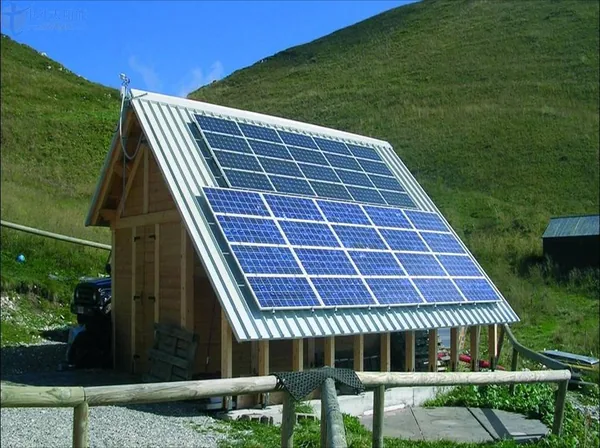
Choosing solar power has a directly positive effect on the environment because converting sunlight into usable energy generates no air pollution, acid rain, or greenhouse emissions. Solar radiation can be harnessed as either electricity (through photovoltaic cells) or thermal energy (for heating water and indoor spaces), supporting residential, agricultural, and industrial applications alike.
Utility Milestones and Wholesale Grid Parity
Utility-scale solar stations such as Australia’s landmark 10 MWp Greenough River Solar Farm demonstrated how clean solar facilities can feed reliable electricity directly into regional transmission networks. For utility-scale generators selling into the grid, a key economic benchmark is wholesale grid parity (also called busbar parity)—the point at which solar generation costs match wholesale electricity prices.
Concentrating Solar and Overturning Old Cost Myths
Alongside PV panels, Concentrating Solar Power (CSP) installations use mirrors, lenses, and tracking arrays to focus broad sunlight onto a thermal receiver that powers conventional steam generators.
Yet many homeowners remain hesitant because they assume solar power is an untested, prohibitively expensive technology. In reality, solar engineering has decades of field-proven reliability behind it, and steady innovations have sharply lowered costs—from budget-friendly $200 educational DIY setups to affordable residential arrays that offset annual electric bills and free up household savings for other priorities.